Automating Invoice Validation Without Losing Human Control
Invoice automation is often described as a document-reading problem. In practice, the harder question is what should happen when the document does not match the records behind it.
In one healthcare operations workflow, invoices had to be compared with completed medical services. Correct submissions and genuine discrepancies went through the same manual review path. The useful change was not to remove people from the process. It was to let the system handle the predictable path and reserve human attention for exceptions.
Start with the decision, not the PDF
Before choosing OCR or an automation platform, define the decision the team makes today:
- Which invoice fields are required?
- Which source is authoritative for completed work?
- What counts as an exact match?
- Which differences are tolerable?
- Which cases must be reviewed by a person?
This turns a vague goal such as “automate invoice processing” into a workflow with inputs, rules, owners, and measurable outcomes. If the source records are incomplete or the ownership rules are unclear, automation will only move the uncertainty faster.
The normal path and the exception path
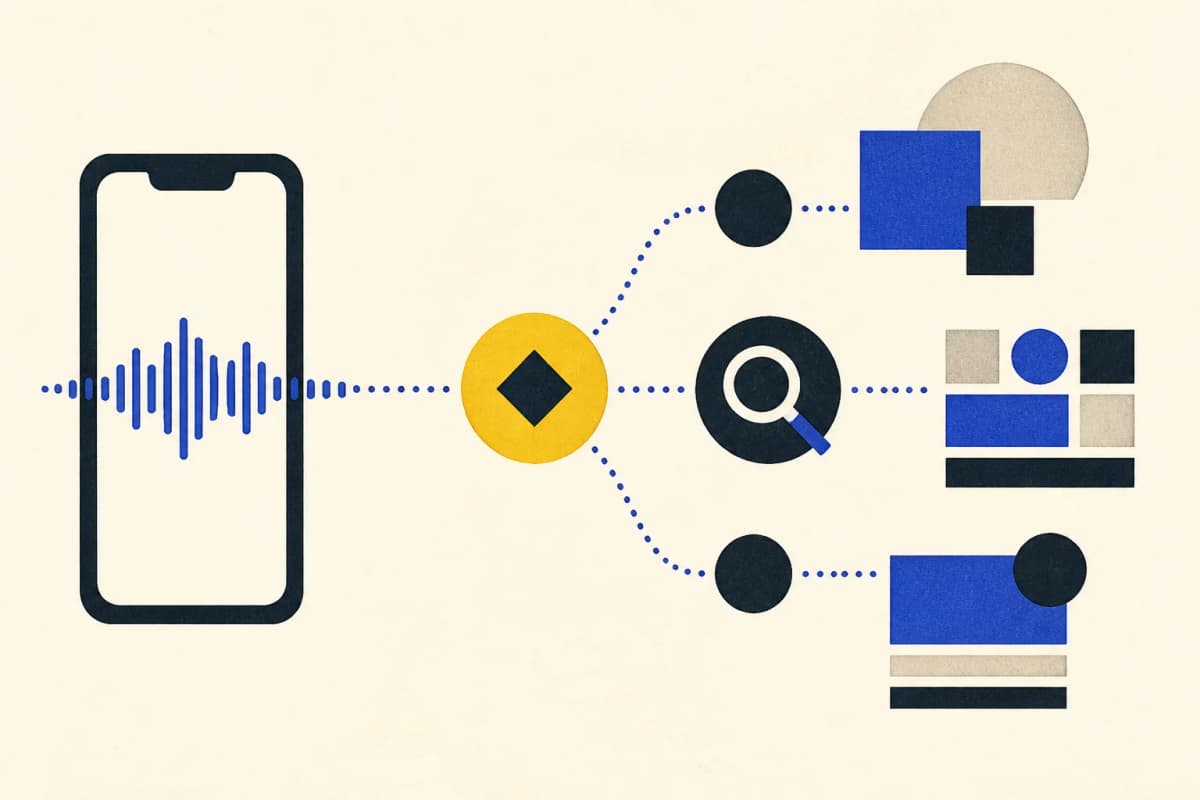
A reliable design separates two flows:
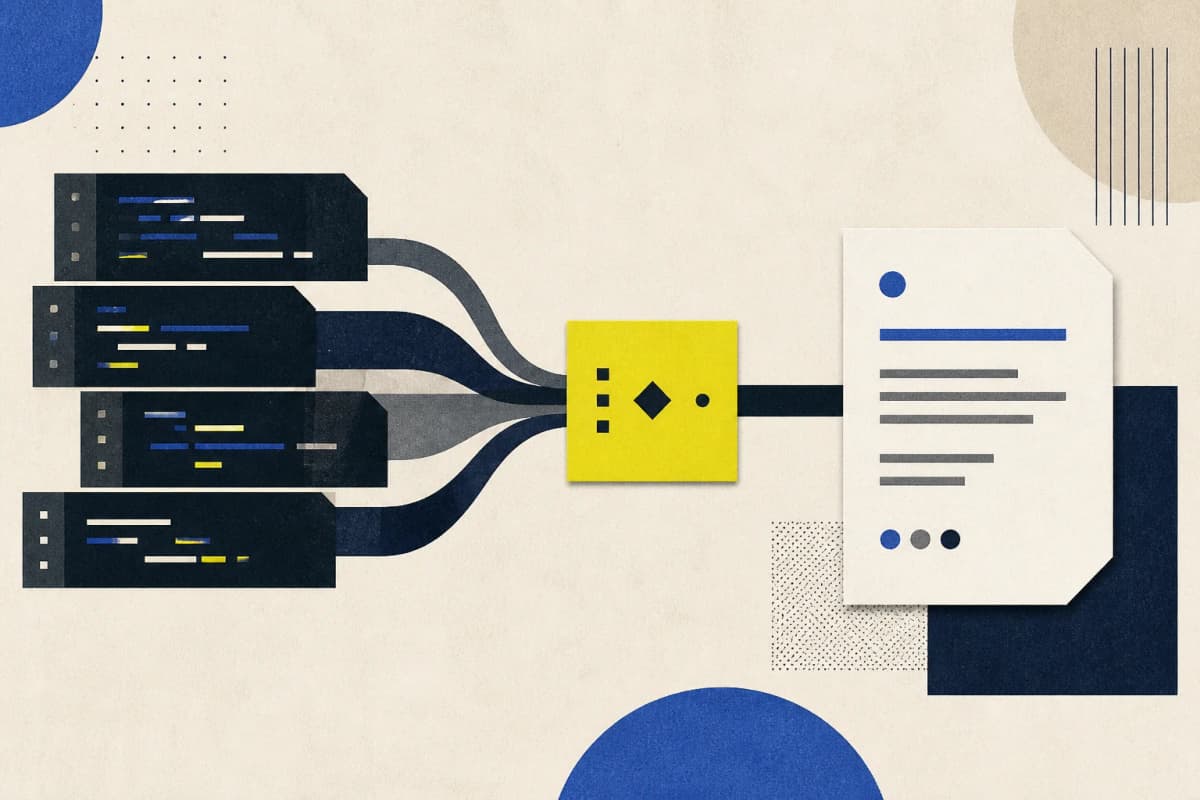
- Normal path: the invoice has the required data, matches the trusted record, and can continue automatically.
- Exception path: a field is missing, a value conflicts, or the confidence is too low. The case goes to a person with the invoice, the matching record, and the reason for the exception.
The second path is not a failure. It is the safety mechanism. It also creates useful feedback: repeated exceptions may point to a bad input, an unclear business rule, or a process that should be simplified before more automation is added.
What to measure
Measure more than the number of invoices processed. Track the share of routine cases completed without review, the time spent on exceptions, the reasons for mismatches, and how often a person overrides the automated decision. These measures show whether the workflow is actually reducing work without hiding risk.
The related invoice validation case study describes this pattern in more detail. If you are unsure whether your own process has a stable normal path, start with the process automation audit before selecting a tool.
When not to automate yet
Pause if the source data cannot be trusted, the process changes every week, or nobody owns the exception decision. A short mapping exercise or data-cleanup step may be a better investment than an automated workflow that creates untraceable errors.

Michał Winiarski
Founder of Devbrains and senior software developer